

PRIMAL™ OCD Cartilage Repair System
PRIMAL™ OCD Cartilage Repair System
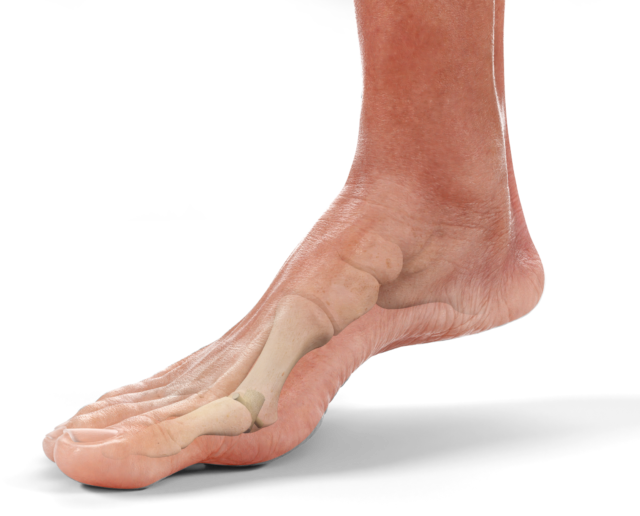
Joint-preserving solution for early-stage pathology and contained osteochondral defects of the first metatarsal head
Fresh osteochondral allograft designed to restore both cartilage and subchondral bone
Purpose-built instrumentation for controlled defect preparation and precise implant delivery
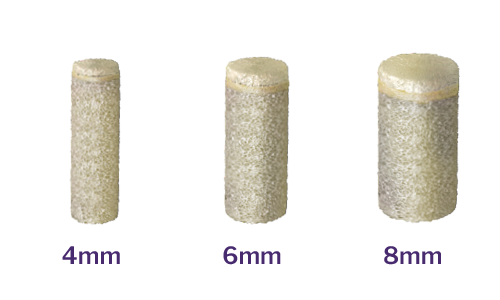
Three osteochondral allograft diameters (4mm, 6mm, and 8mm) to accomodate varying defect sizes
Defect-matched sizing helps preserve surrounding healthy bone and cartilage
Bone Marrow Aspirate Kit available as a complementary biologic option for use with PRIMAL™ OCD Cartilage Repair System
Dedicated fixation designed to resist implant migration prevent subsidence and support maintenance of allograft position
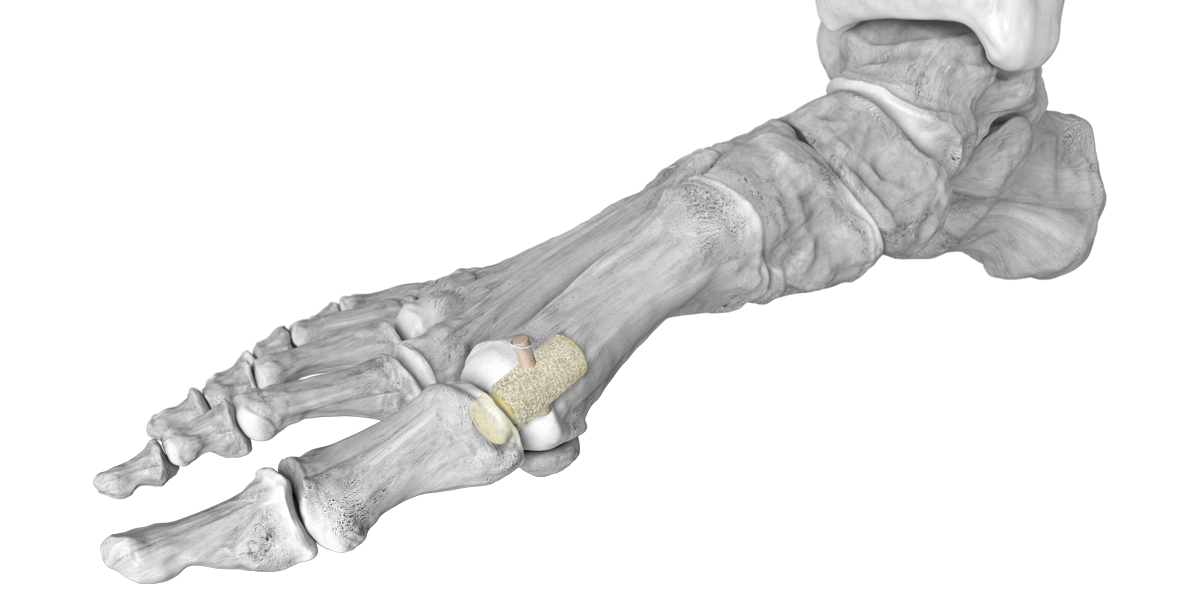
Joint-preserving solution for early-stage pathology and contained osteochondral defects of the first metatarsal head
Fresh osteochondral allograft designed to restore both cartilage and subchondral bone
Purpose-built instrumentation for controlled defect preparation and precise implant delivery
Three osteochondral allograft diameters (4mm, 6mm, and 8mm) to accomodate varying defect sizes
Defect-matched sizing helps preserve surrounding healthy bone and cartilage
Bone Marrow Aspirate Kit available as a complementary biologic option for use with PRIMAL™ OCD Cartilage Repair System
Dedicated fixation designed to resist implant migration prevent subsidence and support maintenance of allograft position

PRECISION® PUSHER
Simple: Single-knob control enables precise, smooth translation of the 1st metatarsal head — up to 33 mm — with one-handed operation.
Fast: With proper exposure, the device secures effortlessly: one hook into the canal + two wires to hold position = quick, stable setup.
Unobstructive: Constructed from radiolucent materials, improving operative fluoroscopic visualization for optimal anatomical alignment.
Optimized Contact: A carefully contoured paddle surface mirrors the curvature of the 1st metatarsal head for stable, even contact and reliable positioning.
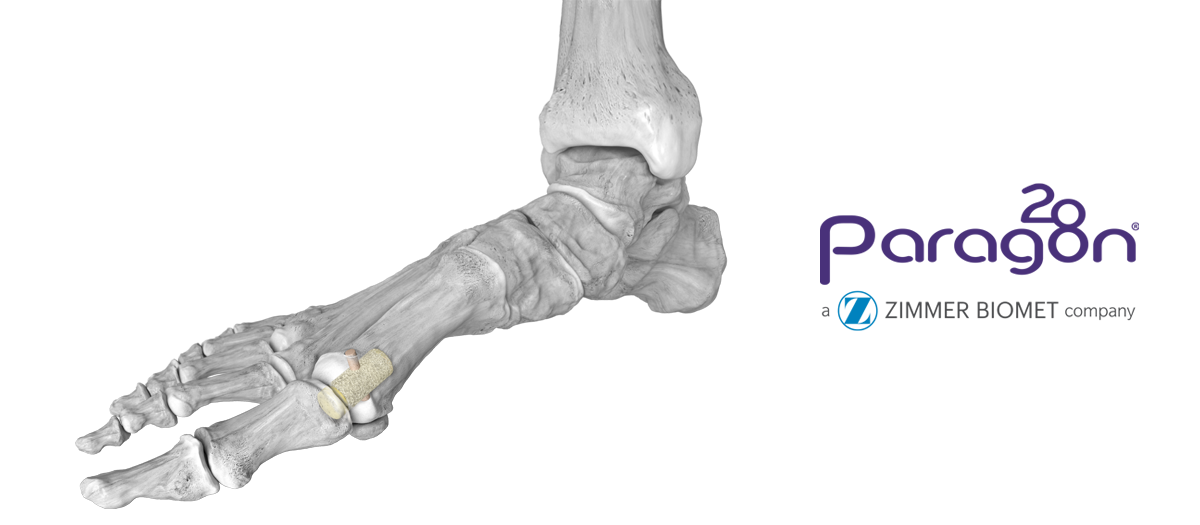
Joint-preserving solution for early-stage pathology and contained osteochondral defects of the first metatarsal head
Fresh osteochondral allograft designed to restore both cartilage and subchondral bone
Purpose-built instrumentation for controlled defect preparation and precise implant delivery
Three osteochondral allograft diameters (4mm, 6mm, and 8mm) to accomodate varying defect sizes
Defect-matched sizing helps preserve surrounding healthy bone and cartilage
Bone Marrow Aspirate Kit available as a complementary biologic option for use with PRIMAL™ OCD Cartilage Repair System
Dedicated fixation designed to resist implant migration prevent subsidence and support maintenance of allograft position
Product Description
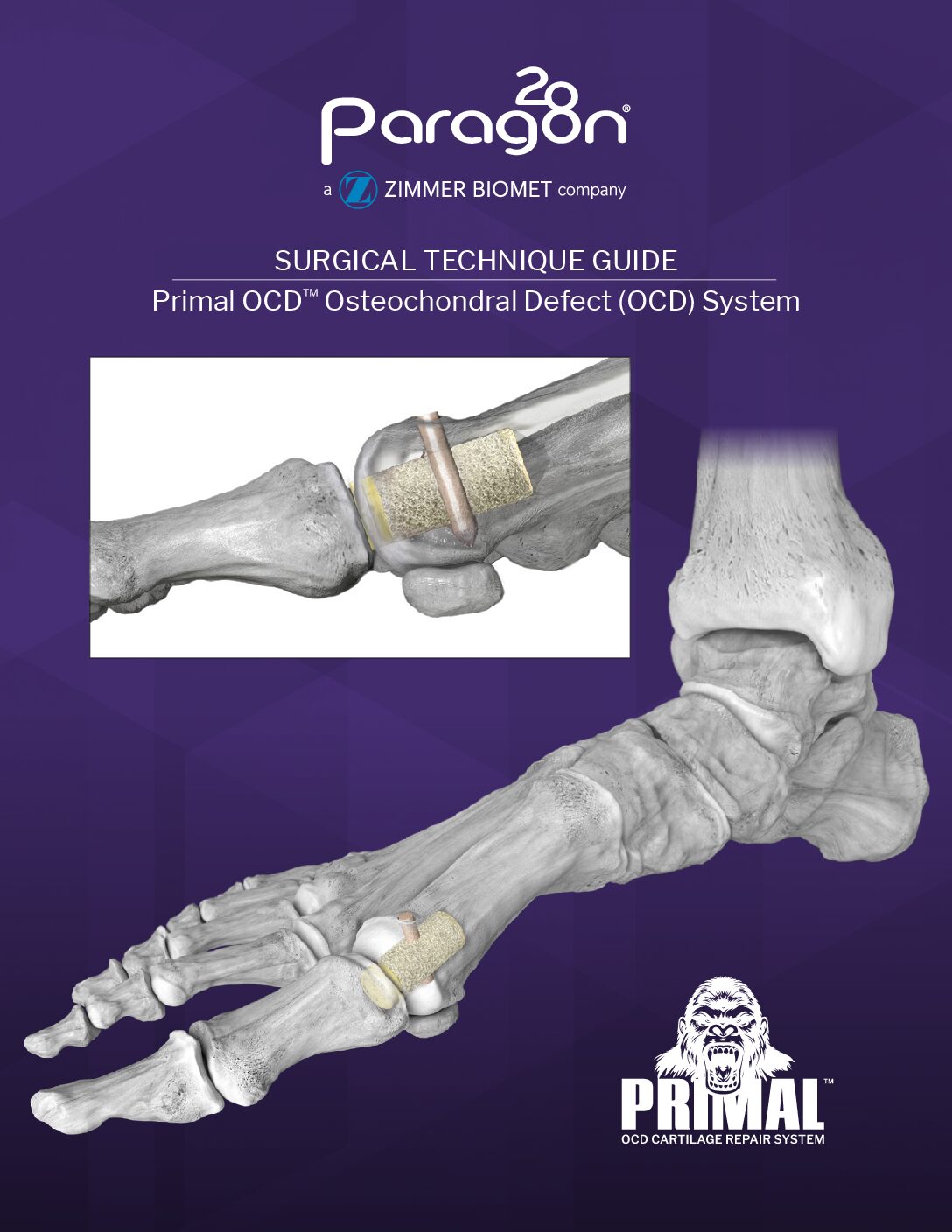
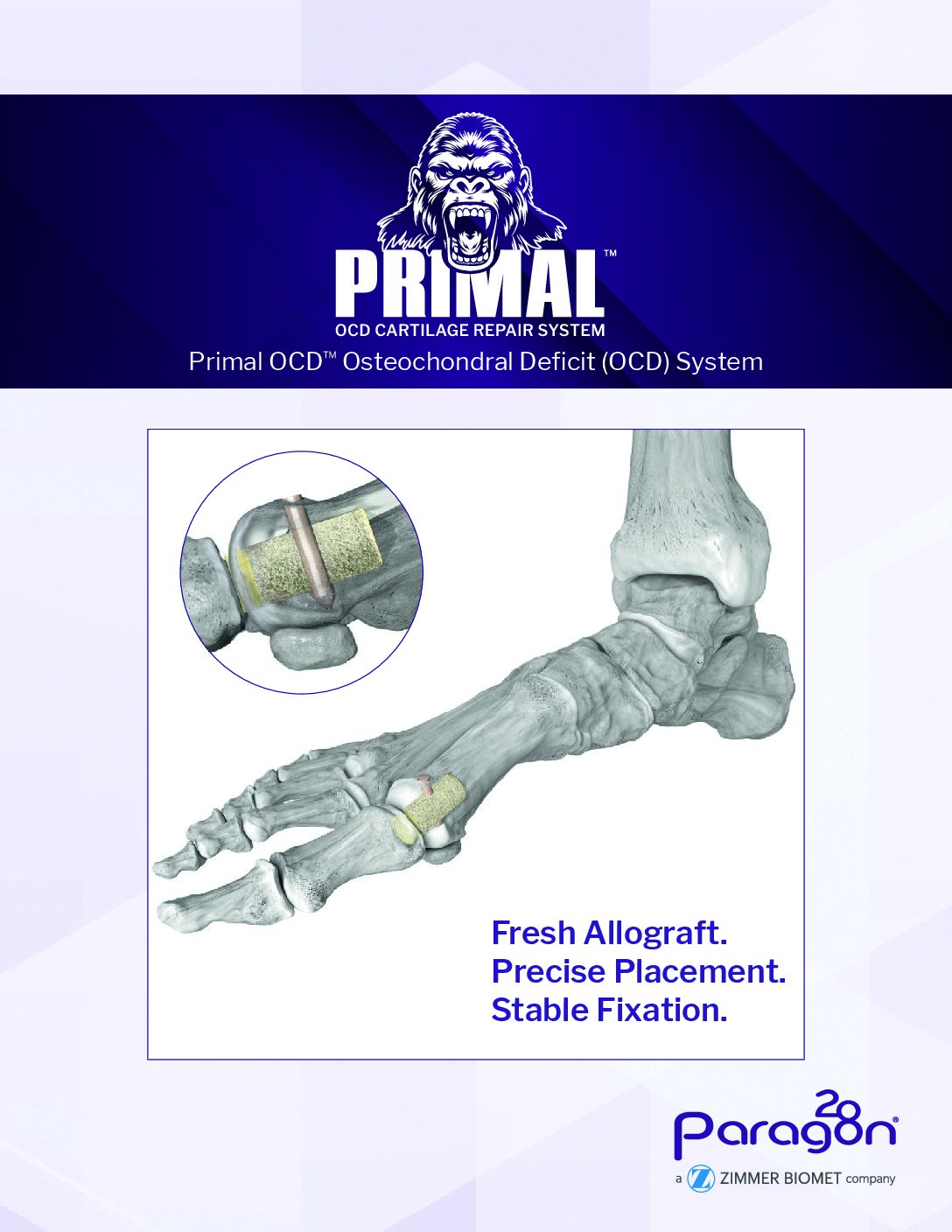
The Primal™ Osteochondral Defect (OCD) Cartilage Repair System is a joint-preserving cartilage repair system designed for the treatment of isolated osteochondral defects of the first metatarsal head. The system combines a osteochondral allograft plug with purpose-built instrumentation to provide controlled defect preparation, precise implant delivery, and stable fixation while preserving surrounding native anatomy.
Designed specifically for the unique anatomy of the first metatarsophalangeal joint, the Primal™ OCD System provides
surgeons with a reproducible, stepwise technique for preparing the defect, sizing the implant, and achieving surfaceflush implantation. Dedicated instrumentation includes a Flush Guide, implant-specific reamers, cortical pin guide, implant inserter, and fixation instruments that work together to support accurate implant placement while helping control implant depth and orientation throughout the procedure.
The system utilizes sterile packaged cartilage-containing osteochondral allograft plugs available in 4 mm, 6 mm, and 8 mm diameters, allowing surgeons to select an implant size that best matches the isolated defect while minimizing unnecessary resection of healthy bone and cartilage. Following implantation, fixation is achieved using either a threaded K-wire (4 mm construct) or a cortical bone dowel (6 mm and 8 mm constructs), creating a stable construct designed to resist implant migration and support maintenance of implant position.
ALLOGRAFT SPECIFICATIONS
Available in 4, 6, and 8mm Diameters
- Sterile-packaged osteochondral allografts in saline
- Ambient storage temperature
PRIMAL™ OCD STERILE INSTRUMENT KITS
Three size-specific kits: 4 mm, 6 mm, and 8 mm options support defect-matched preparation.
Matched reaming and insertion: Size-specific reamers, targeting guides, and inserter/tamps support precise delivery.
Guided fixation: Dedicated drill and Fixation Targeting Guides support placement of the crossing fixation.
Flush seating: The inserter and tamp help seat theosteochondral allograft surface flush with surrounding native cartilage.
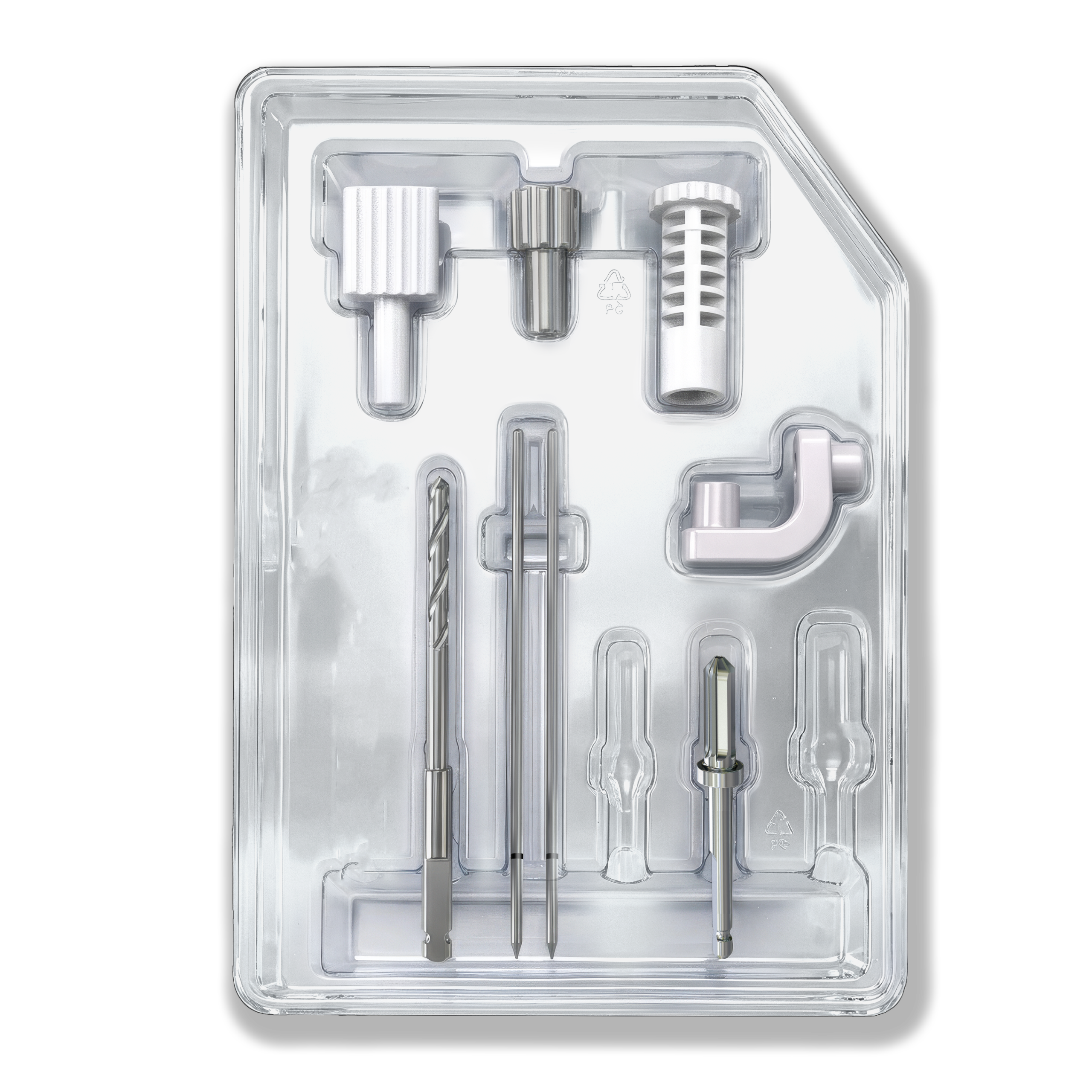
Primal™ OCD Instrument Kit:
- K-wire Flush Guide
- Primal™ OCD K-wire, Ø1.4mm × 10cm
- K-wire, Ø1.4mm × 10cm, Threaded
- OCD Plug Reamer (4mm, 6mm, or 8mm)
- Fixation Targeting Guide (for 4mm, 6mm, or 8mm Plug)
- Cartilage Plug Inserter and Tamp (4mm, 6mm, or 8mm)
- Cortical Dowel Drill, 3.0mm
- Cortical Dowel Tamp
- Cortical Dowel Tamp Guide
ENGINEERED FOR STABILITY3.9×
GREATER RESISTANCE TO SUBSIDENCE
In benchtop mechanical testing, the PRIMAL™ OCD construct demonstrated subsidence resistance at least 3.9× greater than the clinically-derived physiological loading criterion.¹*
* Bench-test results may not predict clinical performance.
¹ Wyss UP, McBride I, Murphy L, Cooke TDV, Olney SJ. Joint reaction forces at the first MTP joint in a normal elderly population. Journal of Biomechanics. 1990;23(10):977-984.
Product Resources
Product Animation
Procedure Animation
Surgical Videos
MIS Tailors Bunion with 3.0 Precision Screw
Precision MIS Bunion
3 Screw MIS Lapidus with Bun-Yo-Matic
Freehand MIS Distal Metatarsal Osteotomy
MIS Calcaneal Osteotomy
MIS Tailor's Bunion/Bunionette
Intro to MIS and MIS Chevron DMO
Akin Osteotomy with the FJ 2000 Power Console System
Product Animation
Procedure Animation
Related Products


LINKS
SOCIAL
CALL US
The name “Paragon 28” was chosen by design — to never lose focus on our goal to advance the science of foot and ankle surgery.
© 2026 Paragon 28, Inc.